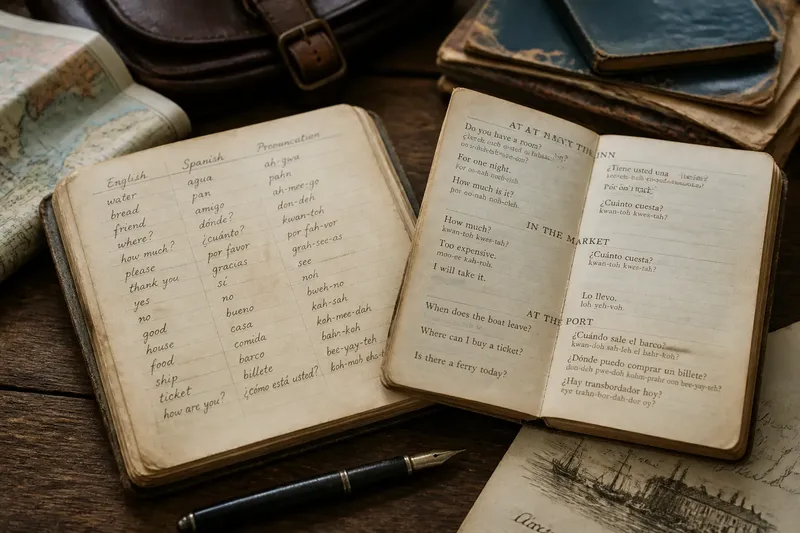
Captions, Subtitles, or a Translator’s Note?
Captions, subtitles, or a translator’s note can clarify a cultural reference in a translated work while preserving its ambiguity and pacing.

Captions, subtitles, or a translator’s note can shape how an audience reads a cultural reference, even when every word is translated accurately. A curator preparing an English-language program for a film about a neighborhood’s annual lantern walk must decide whether to identify the lanterns on screen, explain a phrase in subtitles, or offer context in a note.
Each format directs attention in a different way. Captions identify relevant sounds or visible events, subtitles carry spoken language across languages, and notes make room for context beyond the scene; the best choice depends on what viewers need and when they need it.
Preserve the work’s deliberate uncertainty
Suppose the film follows a visitor who sees residents set small lanterns along a canal, then joins them without asking why. The scene may leave the lanterns’ meaning open on purpose. A translation that explains the ritual completely could replace the visitor’s gradual recognition with a lesson.
Before adding context, distinguish a genuine obstacle from an unanswered question the work intends to leave open. If viewers cannot follow who is acting or what has changed, a cue may help; if they understand the scene but do not know every symbolic association, that uncertainty may be part of the experience.
Ask what the audience must know to follow the action, then leave interpretation room where the work does.
Captions, subtitles, and notes serve distinct purposes
Captions identify relevant sound or visual information. A caption might identify a bell that signals the start of the lantern walk for viewers who cannot hear it, but it should not assign a cultural meaning the film itself does not establish.
Subtitles translate dialogue and can sometimes include a brief clarification when a phrase would otherwise mislead. If a character calls the lanterns “the river’s guests,” a subtitle could preserve the metaphor and add a concise cue that they are carried in a communal procession. The addition should not turn poetic dialogue into an explanatory paragraph.
A translator’s note suits context that needs more space, such as why a term has no direct equivalent or how a custom functions in the story. It can clarify without interrupting the scene, though readers may treat a confident-sounding note as the definitive meaning.
- Check whether a relevant sound is essential to follow the scene; if it is, add a concise caption, and if it is not, avoid labeling incidental sound.
- Check whether a visible object is clear in the image; if viewers may mistake it for an ordinary prop, identify it plainly, and if its role is already legible, leave it uncaptained.
- Check whether a spoken phrase becomes misleading without context; if a short cue corrects that reading, add it to the subtitle, and if it would flatten the speaker’s tone, preserve the phrase and explain elsewhere.
- Check whether the context needs several sentences; if it does, use a translator’s note, and if a short caption or subtitle is enough, keep the information near the scene.
- Check whether the work deliberately leaves a custom’s meaning uncertain; if so, explain only what is needed to follow the action, and if the plot depends on the custom, give the essential context in a note.
- Check whether the same explanation already appears elsewhere; if it does, remove the duplicate, and if each format serves a different audience need, keep only the distinct information in each.
Formats can overlap, but repetition may make one detail seem more important than the work intends. Give each explanation a distinct job rather than repeating the same account in captions, subtitles, and notes.
Match the explanation to its timing and depth
Imagine a curator is preparing the lantern-walk film for a screening. The starting materials are a silent shot of lanterns on the canal, a line of dialogue—“the river’s guests”—and no explanation of why residents gather. The curator first checks whether the image and action make the procession clear; they do, so no caption is added. Next, the curator checks the metaphor: a literal translation could sound as if the lanterns were people, so the subtitle keeps “the river’s guests” and adds a short cue that the phrase refers to lanterns carried in the procession.
The curator then considers whether viewers need to know the custom’s full background to follow the film. They do not, but a brief note can explain that the gathering is communal without claiming to settle what each lantern symbolizes. The resulting tradeoff is clear: the subtitle prevents a confusing line, the note supplies basic context, and the image retains room for viewers to interpret the ritual.
This kind of decision is easier when the editor records the precise gap, the chosen format, and the information deliberately left unexplained. The record also helps avoid adding a second explanation later simply because another format is available.
How should cultural context travel with a translated work?
When should a caption explain a cultural object?
A caption helps when identifying a visible object or sound is necessary to follow the scene, particularly when the work offers little verbal context. Keep it close to what the image or soundtrack supports; do not use it to assign a broad cultural meaning without evidence from the work.
Can subtitles add information that is not spoken?
They can when a brief addition prevents a line from becoming unintelligible or misleading. Since subtitles share the screen with the action, include only context viewers need at that moment.
What belongs in a translator’s note?
A note can explain a translation choice or a custom that would be awkward to fit into dialogue. Separate established context from interpretation so readers can tell what the work states and what the note infers.
Should the same explanation appear in every format?
Usually not, because repetition can make a detail seem to demand special attention. Choose the format that meets the immediate need, then let the work and its audience do the remaining interpretive work.
Choose the smallest cue that does the needed work
A translated work may need captions for meaningful sound, subtitles for dialogue, or a note for context that needs more room. Those options are not competing levels of thoroughness; each has a different place in the audience’s experience.
When choosing among captions, subtitles, or a translator’s note, name the exact point of confusion and match the explanation to its timing and depth. A well-placed cue can make a scene legible without deciding what it must mean.